 Sunset only
Guides
Language
EnglishCurrency
US dollar · $GetYourGuide shows prices in the currency you choose.
Guide · Photography
Uluru photos at sunset, taken the right way
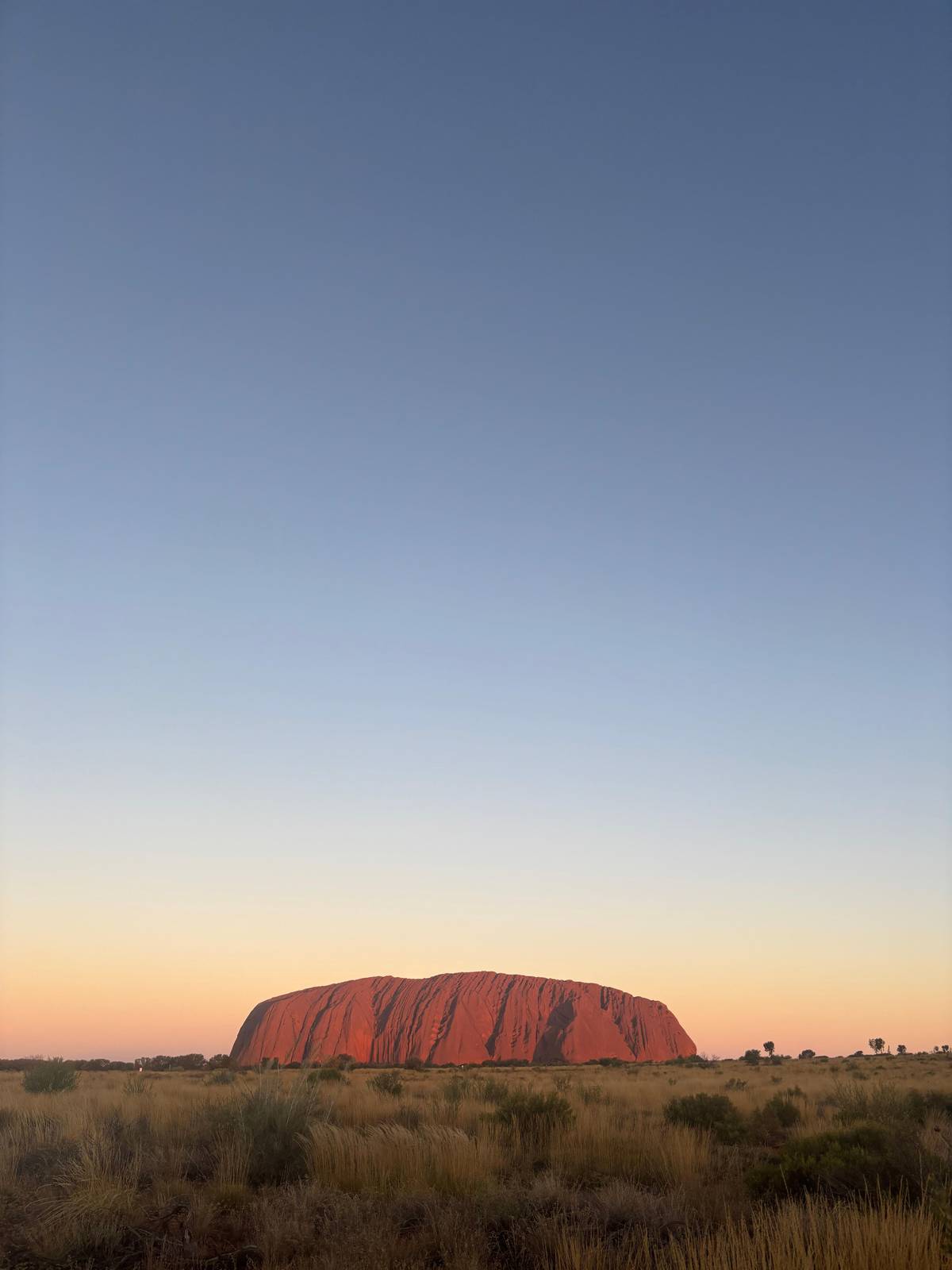
Good Uluru photos at sunset come from a wide frame, a steady tripod and patience as the colour builds. They also come with rules: parts of the rock are sacred and must not be photographed. Here is where to stand, how to shoot and what Anangu ask.
Check availabilityfrom $147 · cancel without a fee
Editorial team, ulurusunset.comUpdated October 22, 2026Reading time about 6 minutes20 sources
Why the sunset is the photo everyone wants
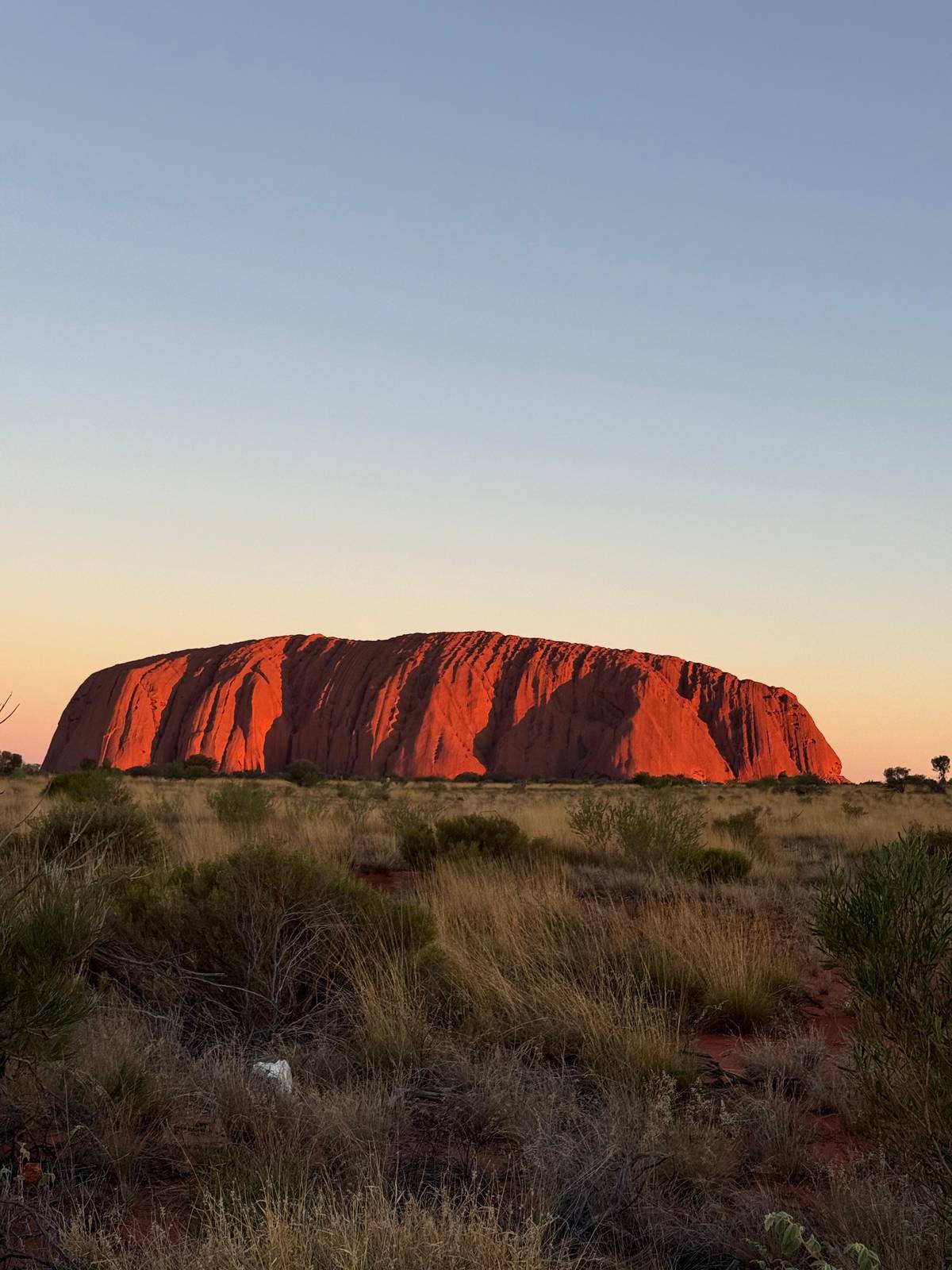
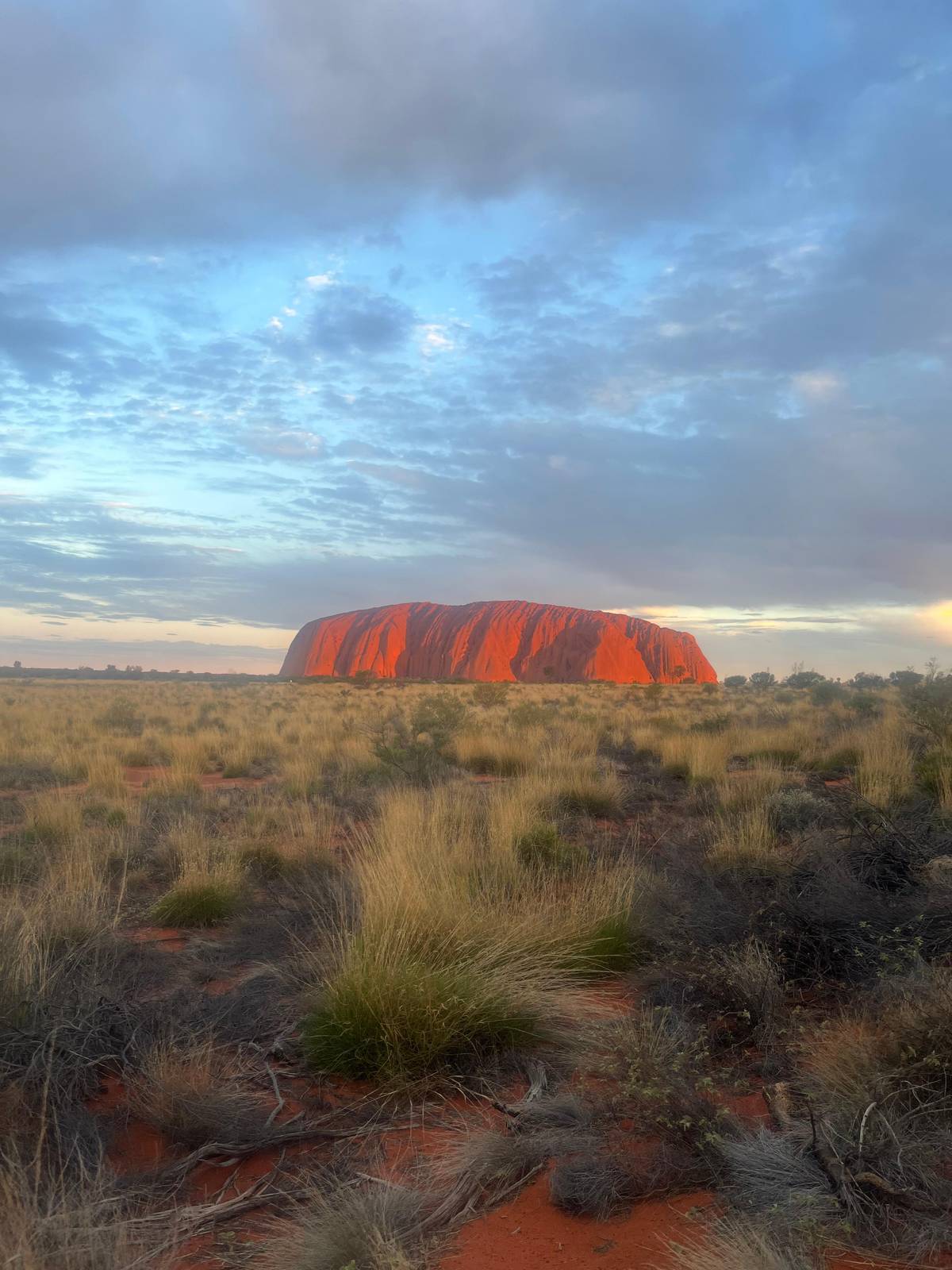
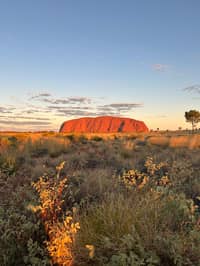
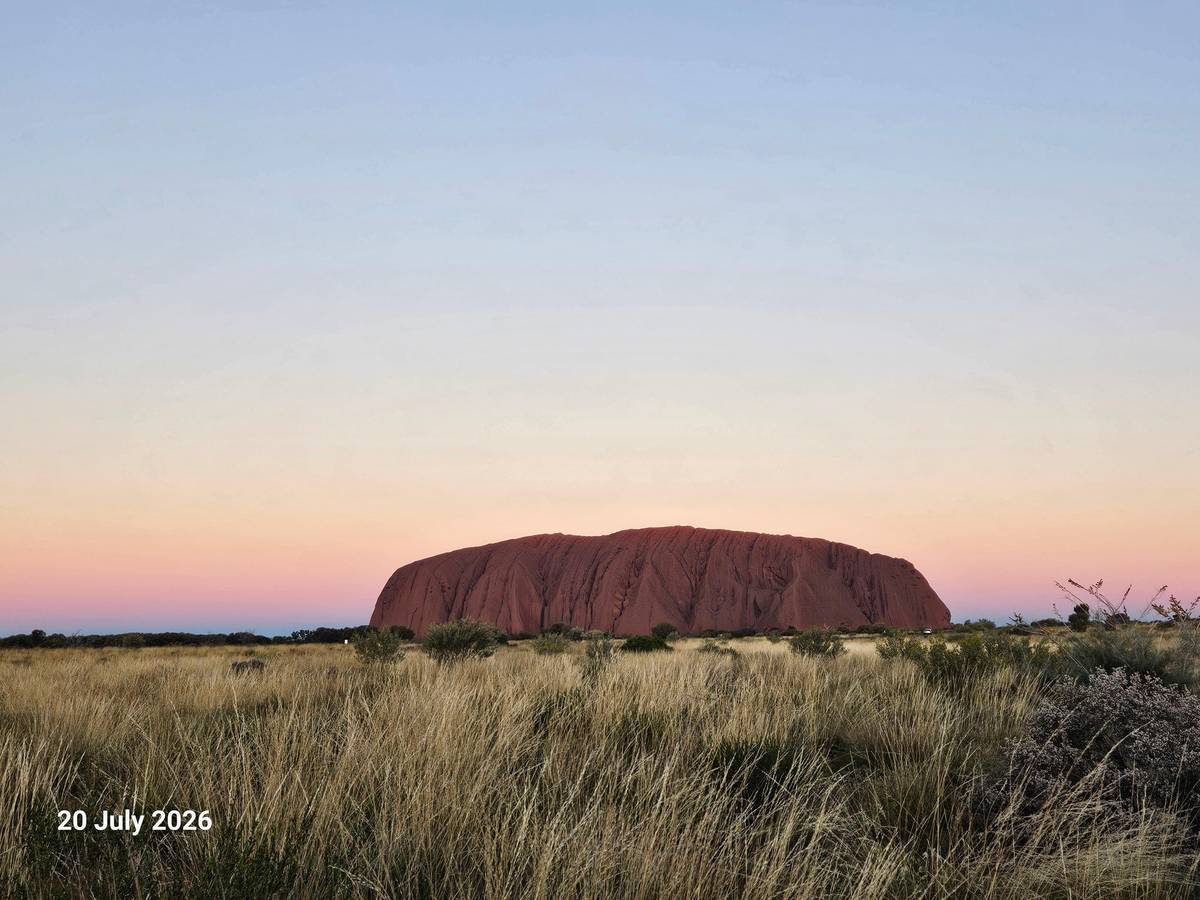
Parks Australia sums up the appeal: Uluru and Kata Tjuta change colour and appearance with the angle, the weather and the time of day, moody when overcast, shiny when wet and glowing red at sunset.7 At the car sunset viewing area, as the sun sinks behind you, the rock moves from pinkish hues to fluorescent orange and deep shades of red.8 It is a sequence, not a single moment, and that shapes how you should photograph it.
One sunset tour's own advice is to photograph Uluru every 5 minutes to capture the gradual colour change. It is good advice: set up, take a frame at regular intervals, and you will end the evening with a series that shows the whole transformation rather than one picture you hope was the best.
The sky deserves a place in the frame too. Parks Australia describes the rock framed by delicate baby blues and bright pinks as the light goes.8 And if your evening falls near a full moon, you are likely to see the moon rising next to Uluru around sunset, the rare chance to put both in one shot.9
A sunset shoot
From set-up to the last light
-
Early
Claim the fence
End of the car park, wide sandy area.1
-
1 to 2 hrs before
North-east face
Shadows hide the sacred sites.10
-
Golden light
Start the series
A frame every few minutes.
-
Sunset
Deepest red
Pink, orange, then deep red.8
-
Dusk
Watch the road
Headlights pass the bus area.11
-
Closing time
Pack up
Night shots only from outside the park.12
Uluru photography restrictions you must know
Uluru and Kata Tjuta have a number of culturally sensitive sites, and the rock details there are equivalent to sacred scripture for Anangu; they should only be viewed in their original location and by specific people, so taking any photos of these places is prohibited.3 These are the core Uluru photography restrictions, and they are a firm rule, not a matter of taste.
You do not have to guess where they are. Culturally sensitive sites are clearly identified by signs in the park, and inside sensitive areas you may photograph plants, animals and people as long as you avoid capturing any rock formations.4 Parks Australia also publishes maps that show the sensitive sites and the areas where Anangu ask you not to photograph the rocks; look at them before your visit.13
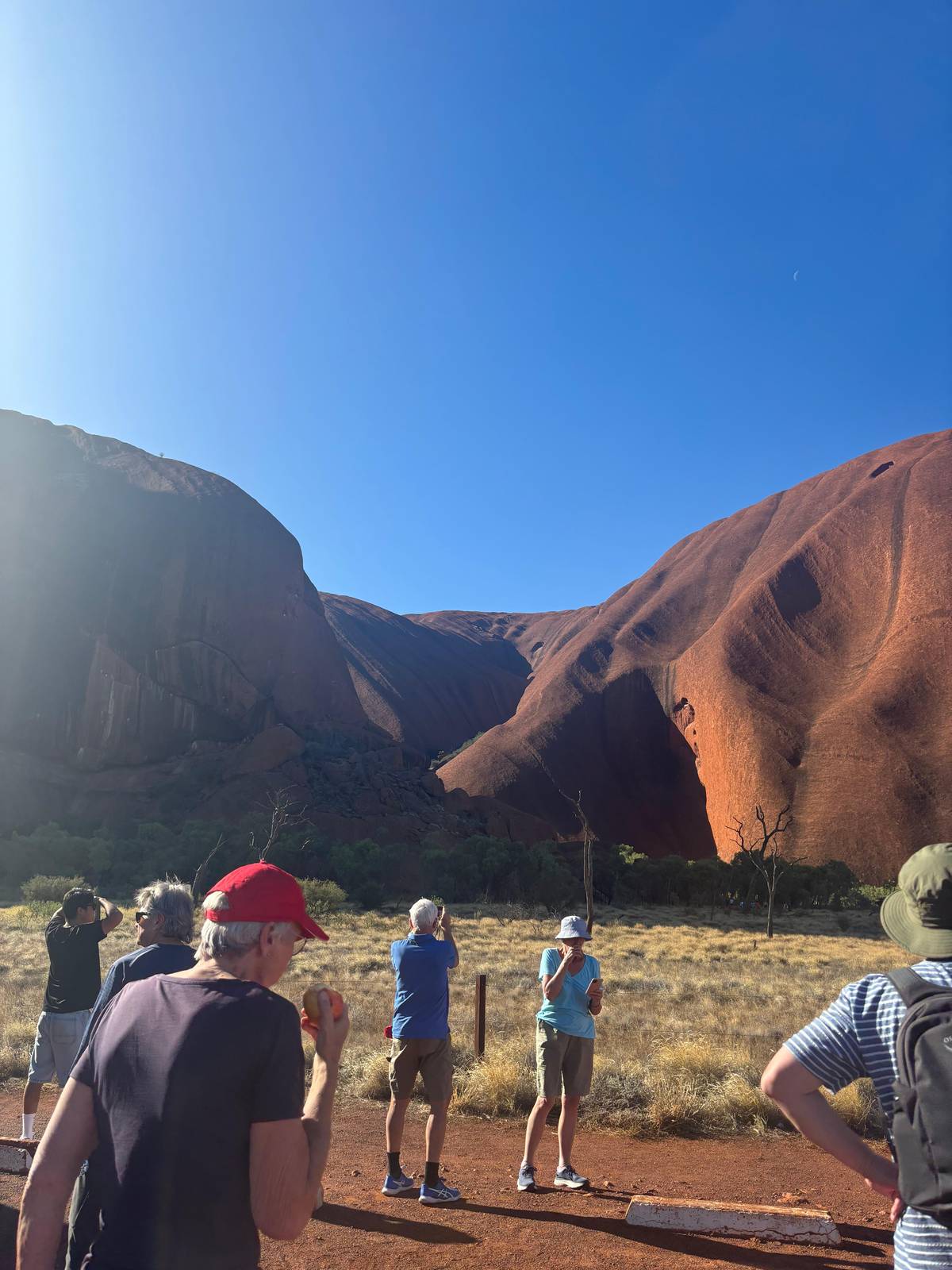
The broader courtesy rules are simple. Do not enter or photograph restricted areas, including sacred sites, ceremonial sites, burial grounds and people's homes, and always ask permission before photographing Anangu.14 Stay on marked walking tracks and within authorised areas at all times, and if you stop by the road to shoot, park only where there are white lines.15
What you may shoot
Photo rules at a glance
| Subject | Allowed? | What the park asks |
|---|---|---|
| Uluru whole, from the sunset areas | Yes | Wide frame, no zooming in on details |
| Signed sensitive sites | No | No photos of the rock there at all |
| Plants and animals in sensitive areas | Yes | Keep rock formations out of the frame |
| The north-east face | Wide shots only | Hide the top-left details |
| Anangu people | With permission | Ask first |
| Drone footage | No | Prohibited, penalties apply |
| Photos for commercial use | With a permit | Media permit and guidelines |
From Parks Australia's photography page and sunset viewing area pages.234161456
Tours for photographers
Short run, small group, or the full afternoon
Sunset only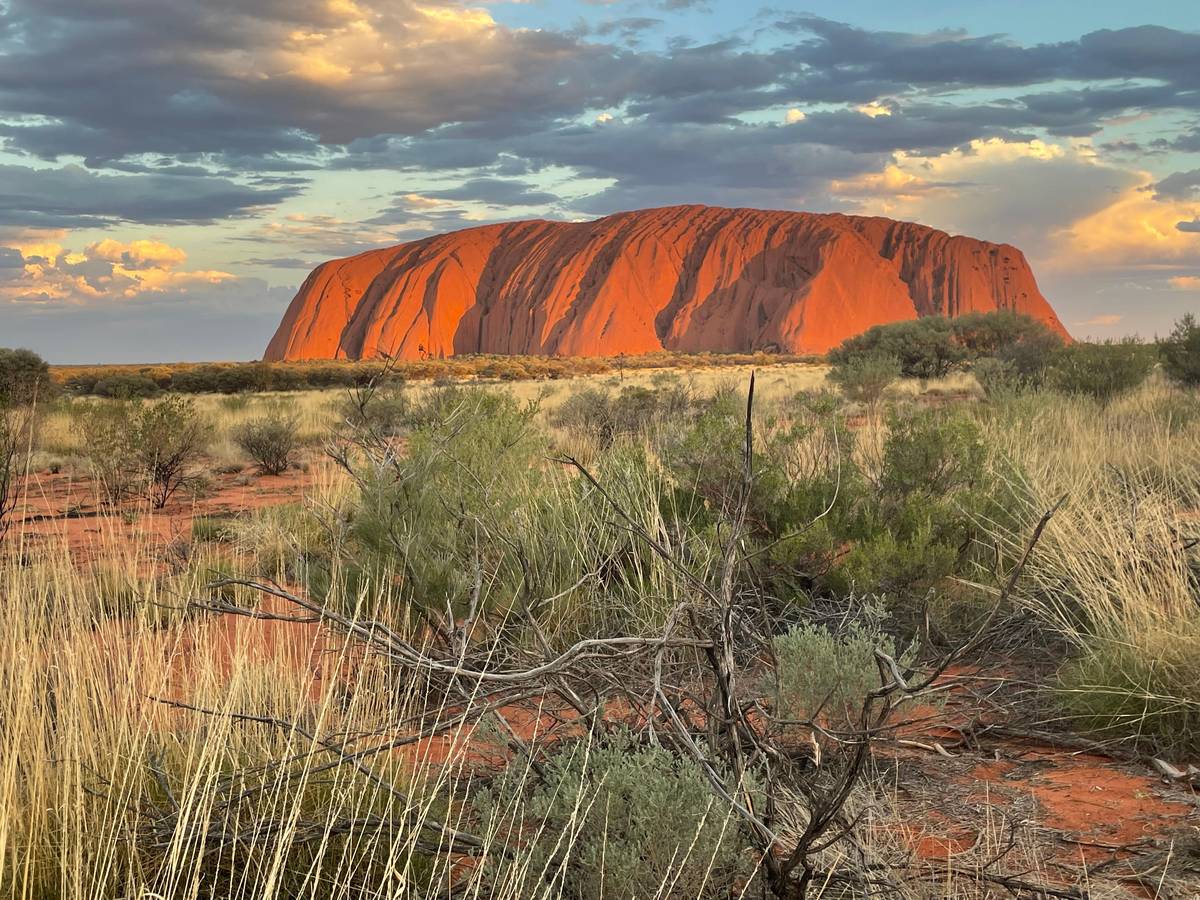 Small group
 Booked here
Decision helper
Can I take this photo?
Check before you press the shutter
The rock details and features at these sites are equivalent to sacred scripture for Aṉangu - they describe culturally important information and should only be viewed in their original location and by specific people.
The north-east face, seen from the resort
The side of the rock you see most often is also one of the most sensitive. The north-east face, running from Kantju Gorge to Kuniya Piti, is the side commonly seen from Ayers Rock Resort, the Camel Farm, Field of Light, Sounds of Silence, Longitude 131 and commercial flights.17 So the view from your hotel or your dinner table is exactly where care is needed.
Anangu ask photographers to take only wide shots of the north-east face from a distance, keeping whatever lies on the rock's upper left out of the picture.16 The best time to photograph it is 1 to 2 hours before sunset, when natural shadows hide the sacred sites.10
There is also a creative way through. Parks Australia suggests blocking the sacred sites with an object in the foreground: a tree, a bush, a sand dune, a person, or even a camel.10 The same trick works for other sensitive sites around the rock, and it often makes a better picture than a bare rock on the horizon. A silhouetted desert oak or a line of spinifex in front of the rock gives scale and depth, and it keeps the sacred details where they belong.
Checklist
Your sunset camera bag
01
Gear
- Sturdy tripod and a wide lens
- A long lens for the whole rock from afar
- Cleaning cloths and a blower for sand
02
Respect
- No drone in the park
- Ask before photographing people
- Media permit if photos are for sale
Cost calculator
A sunset shoot for your group
Starting totals for the sunset tours.
People
Total from$294
each from $147
Check availabilityfree cancellationTotals multiply each evening's lowest per-person price on GetYourGuide by the number in your party, converted with the European Central Bank's daily rate; the date and option you pick decide what you finally pay.
Video
Uluru: Tips for visiting + best spots for filming and photography
No video data loads before you press play.
Where to set up at sunset
For the classic sunset frame, drive to the very end of the car sunset viewing area and put your tripod near the fence in the wide sandy area; arrive early to get a good spot.1 Parks Australia calls it the place for the quintessential Uluru photo and names it as the place to film a sunset time-lapse.81
From the bus sunset viewing area, walk to the end of the dune walk for an uninterrupted view of Uluru and Kata Tjuta, and capture Uluru changing colour as the sun sets behind the dunes towards Kata Tjuta; bring a tripod, a wide angle and a long lens.18 Use the long lens for the whole rock from afar, not for close-ups of its surface: from these sunset areas Parks Australia asks you to avoid zooming in on details and to show Uluru in its entirety.2
Time-lapse shooters should know one catch at the bus area: once it gets dark, many vehicles drive past on the highway with their headlights on.11 Start your sequence early, or frame low and tight enough to keep the road out.
Camera settings and gear
Parks Australia's advice for keen photographers is to bring your best lenses and a sturdy tripod, plus cleaning cloths and blowers to keep sand off your equipment.15 The desert's fine red sand finds its way into every zip and lens barrel, so change lenses inside the car or a bag rather than in the open wind.
For the sunset itself, shoot in your camera's raw format if it has one, so you can bring back the subtle reds later without the colours tipping into orange. Bracket your exposures as the light fades; the sky and the rock quickly become very different in brightness. A remote release or the self-timer keeps long exposures sharp on the tripod.
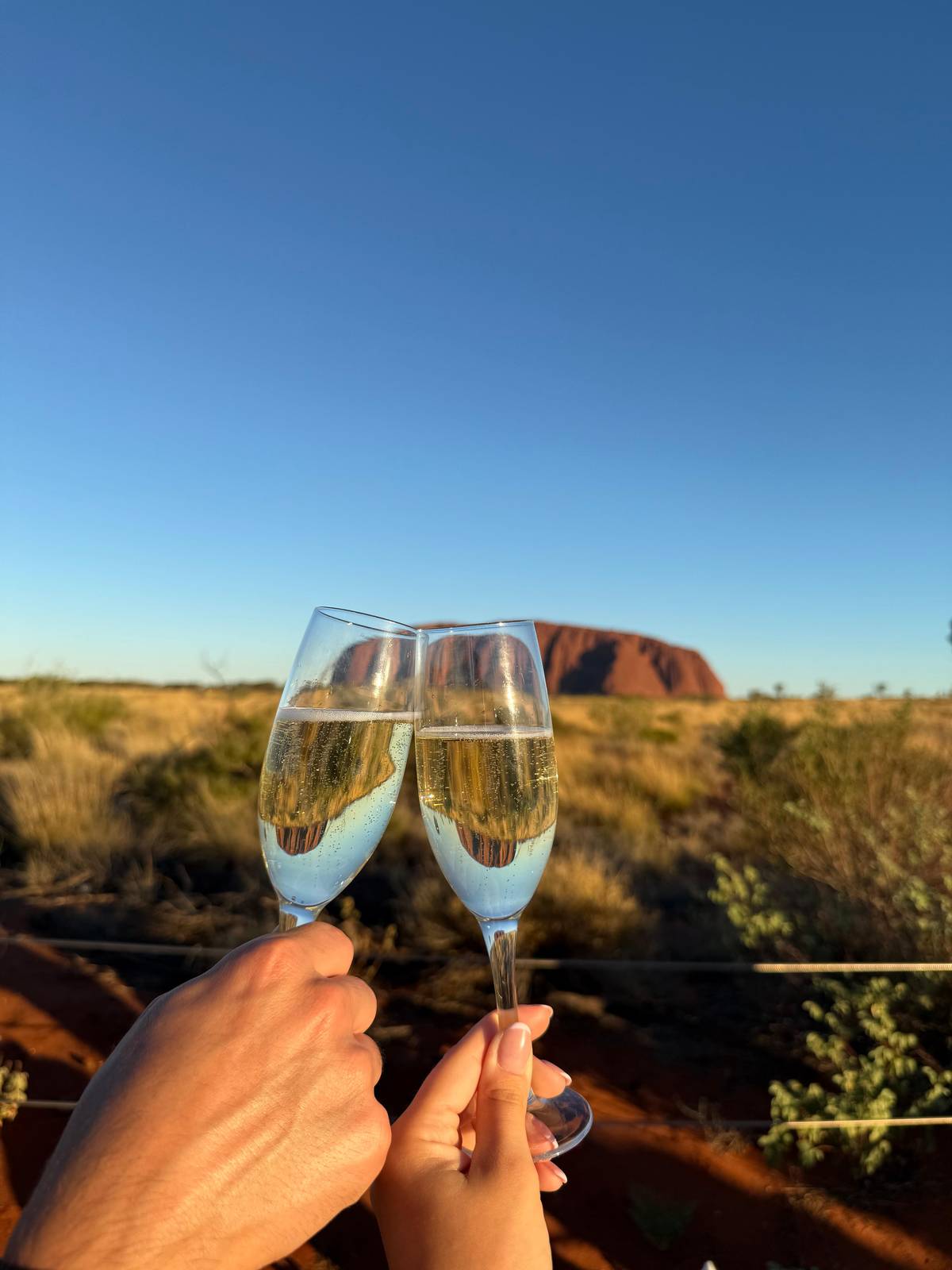
Phones do well here too. Turn off the flash, lock the focus on the rock, and lower the exposure slightly so the reds stay rich instead of washing out. Take a photo at regular intervals, as one listing suggests, and choose your favourite later. Above all, stop shooting for a few minutes and simply watch. The best pictures of the evening are often taken by people who looked first and pressed the shutter second, and the memory of the colour in your own eyes is the one no setting can improve.
Drones, night skies and sharing your photos
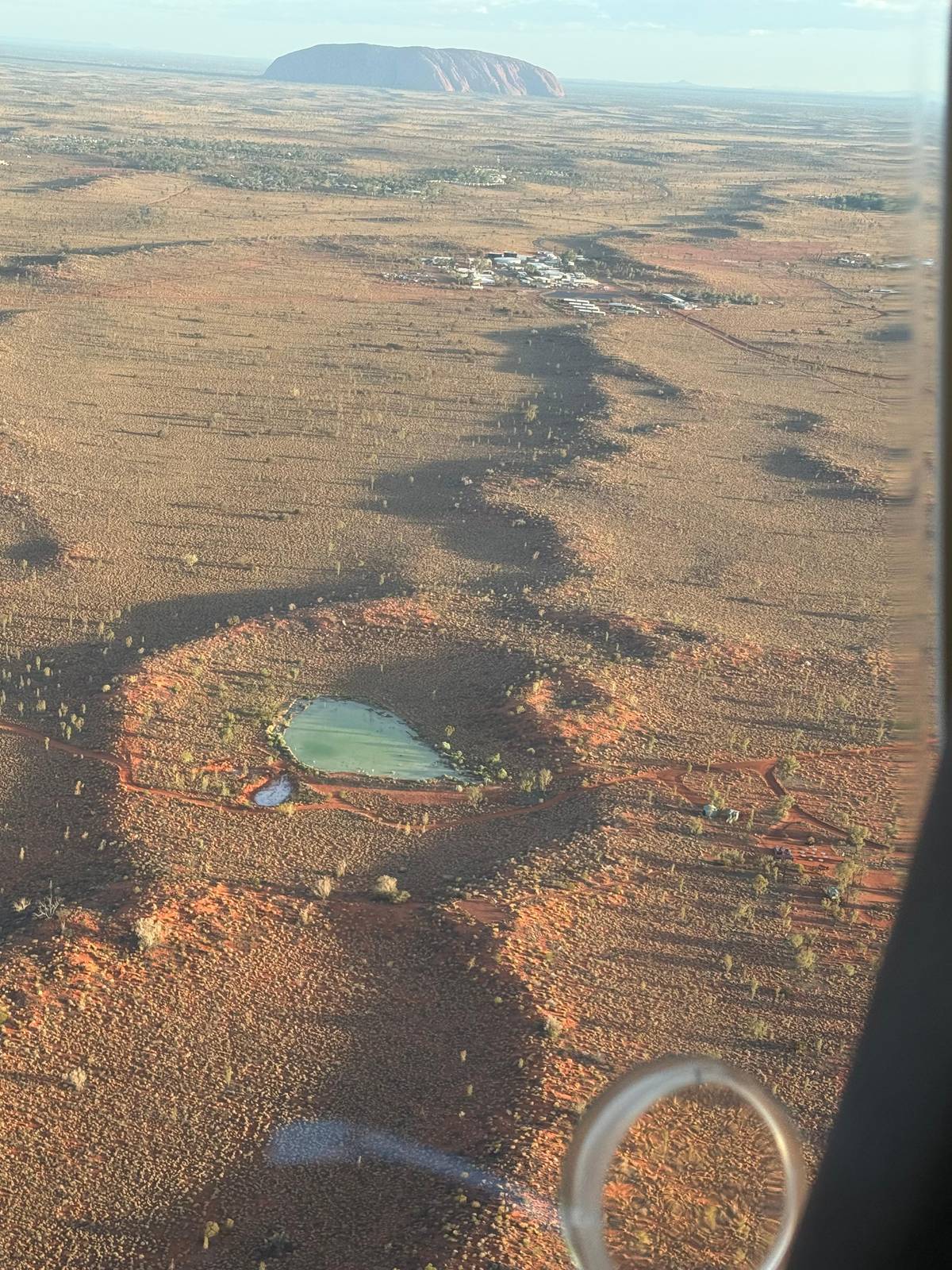
Drones and other remote-controlled devices are prohibited in Uluru-Kata Tjuta National Park under the EPBC Act, and penalties apply for unauthorised use.5 Parks Australia repeats it on its sunset pages: the national park is a no-drone zone.19 An aerial view is possible only from a scenic flight.
Night photography has its own rule: because every visitor must exit the park by closing time, night-sky shots have to be taken from outside the park.12 A good spot is an elevated sand-dune lookout beside the Lasseter Highway, about halfway between the entry station and Ayers Rock Resort.12 Our stargazing page covers that evening in detail.
If you want to use your photos or videos commercially or for public display, including as an influencer, blogger, artist or content creator, you need to apply for a media permit and follow the park's media guidelines.6 Personal holiday photos need nothing more than respect, and Parks Australia invites visitors to share them on Instagram with the tag SeeUluru.20
Pick your evening
A waterhole by day, the rock red at dusk
Hotel pick-up, the Kuniya Walk, the Cultural Centre and sunset drinks; cancel free until a day before.


You ask,we answer.
Can you photograph Uluru?
Yes, with limits. Wide shots are welcome; signed culturally sensitive sites must not be photographed.34
Where are the sensitive sites?
They are signposted in the park. Parks Australia also maps them on its photography page.4
Can I fly a drone at Uluru?
No. Drones are prohibited under the EPBC Act; penalties apply.5
When should I photograph the north-east face?
1 to 2 hours before sunset. Natural shadows then hide its sacred sites.10
Do I need a permit for my photos?
Only for commercial or public use. That includes influencers and content creators.6
Can I photograph Anangu people?
Only if you ask first. Always ask permission before photographing Anangu.14
How often should I shoot at sunset?
Every few minutes. One sunset tour suggests a photo every 5 minutes.
Sources
The sources for this guide
- 1Parks Australia, Uluṟu-Kata Tjuṯa National ParkUluṟu car sunset viewing area↩
- 2Parks Australia, Uluṟu-Kata Tjuṯa National ParkUluṟu bus sunset viewing area↩
- 3Parks Australia, Uluṟu-Kata Tjuṯa National ParkPhotography↩
- 4Parks Australia, Uluṟu-Kata Tjuṯa National ParkPhotography↩
- 5Parks Australia, Uluṟu-Kata Tjuṯa National ParkPhotography↩
- 6Parks Australia, Uluṟu-Kata Tjuṯa National ParkPhotography↩
- 7Parks Australia, Uluṟu-Kata Tjuṯa National ParkPhotography↩
- 8Parks Australia, Uluṟu-Kata Tjuṯa National ParkUluṟu car sunset viewing area↩
- 9Parks Australia, Uluṟu-Kata Tjuṯa National ParkUluṟu car sunset viewing area↩
- 10Parks Australia, Uluṟu-Kata Tjuṯa National ParkPhotography↩
- 11Parks Australia, Uluṟu-Kata Tjuṯa National ParkUluṟu bus sunset viewing area↩
- 12Parks Australia, Uluṟu-Kata Tjuṯa National ParkPhotography↩
- 13Parks Australia, Uluṟu-Kata Tjuṯa National ParkPhotography↩
- 14Parks Australia, Uluṟu-Kata Tjuṯa National ParkRespecting Culture↩
- 15Parks Australia, Uluṟu-Kata Tjuṯa National ParkPhotography↩
- 16Parks Australia, Uluṟu-Kata Tjuṯa National ParkPhotography↩
- 17Parks Australia, Uluṟu-Kata Tjuṯa National ParkPhotography↩
- 18Parks Australia, Uluṟu-Kata Tjuṯa National ParkUluṟu bus sunset viewing area↩
- 19Parks Australia, Uluṟu-Kata Tjuṯa National ParkUluṟu car sunset viewing area↩
- 20Parks Australia, Uluṟu-Kata Tjuṯa National ParkPhotography↩
Keep reading