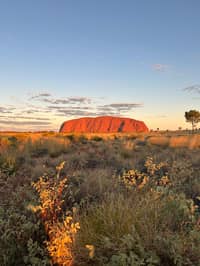
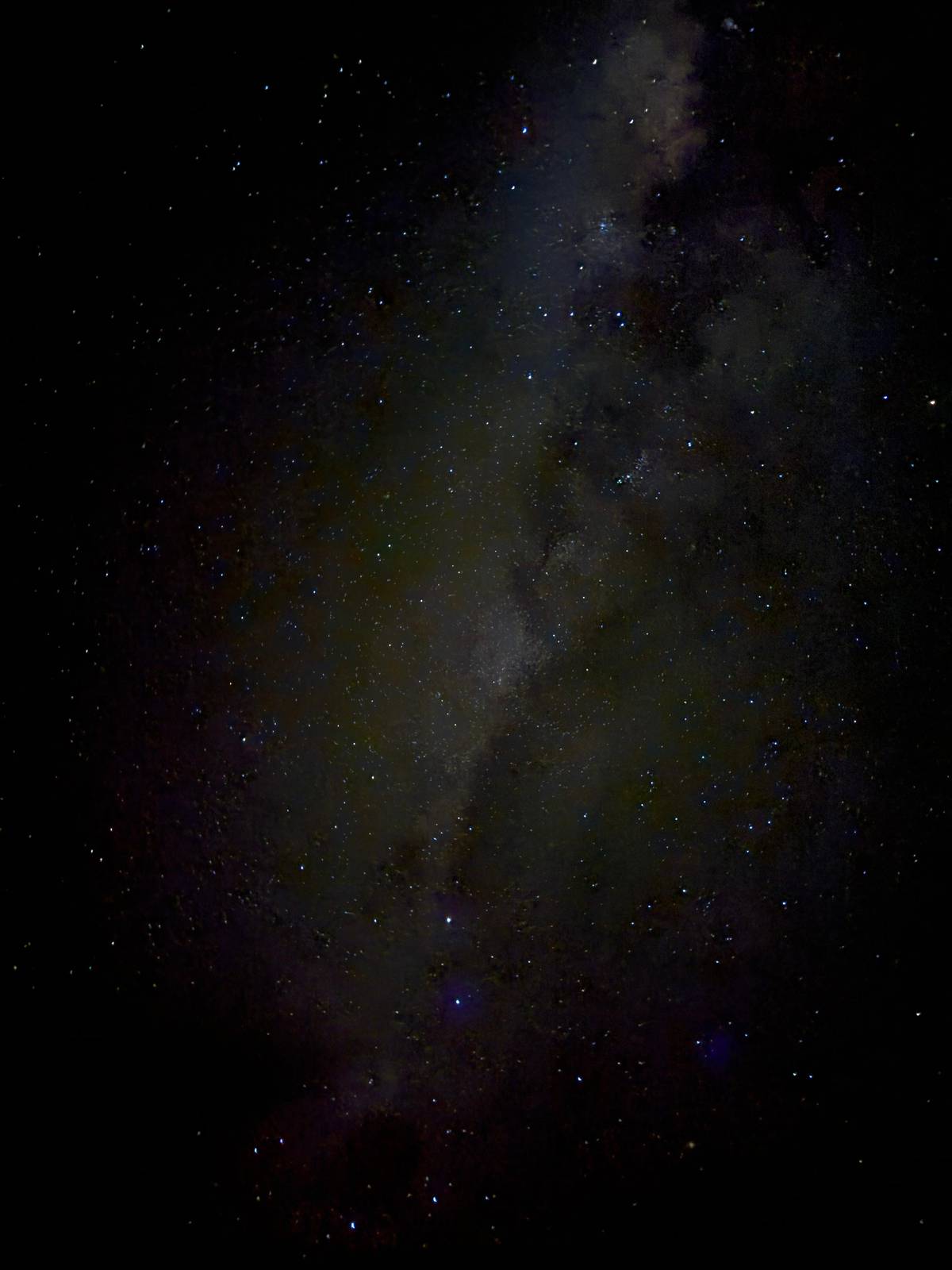
 Booked here
Guides
Language
EnglishCurrency
US dollar · $GetYourGuide shows prices in the currency you choose.
Guide · After dark
Stargazing at Uluru once the sunset fades
When the red has gone from the rock, the second show begins. Stargazing at Uluru means a telescope tour, a star talk after a barbecue, or your own camera on a dune outside the park. Here is how each works.
Check availabilityfrom $147 · cancel without a fee
Editorial team, ulurusunset.comUpdated October 22, 2026Reading time about 6 minutes16 sources
Quick answer
- 01Booked here
- A 2.5-hour telescope tour with a photo under the stars, from $91.
- 02Park pass
- Not needed on that tour.
- 03The park at night
- It closes, and every visitor must leave by closing time.1
- 04Your own photos
- Every visitor leaves the park by closing time, so your night-sky photographs are taken from somewhere outside its boundary.2
- 05Wear
- Warm layers: winter nights can drop to −7°C.3
Why the night sky here is worth staying up for
Parks Australia calls Central Australia a superb place to photograph the night sky, and says the silhouette of Uluru against the Milky Way has become an iconic Australian shot.4 After the sunset coaches have left, the desert goes quiet and the sky fills from the horizon up. If Uluru night sky stars are what you came for, plan for them the way you plan for the sunset, because the park itself is not open to you at night.
Uluru-Kata Tjuta National Park is open every day of the year, but it closes at night, and all visitors must leave by closing time.1 Depending on the month that is between 7.30 pm and 9.00 pm.5 So unless you are on a tour with special access, your stargazing happens outside the park boundary, around Yulara or on the road between the resort and the entry station.
That is less of a limitation than it sounds. The resort area sits away from any city, and a short drive takes you away from its lights. What you lose is the rock in the foreground; what you gain is freedom to stay out as long as you like, with the whole southern sky overhead. Give your eyes a long while without a bright screen and the sky changes completely: faint stars appear between the bright ones, and the band of the Milky Way becomes a cloud you can trace from one horizon to the other.
The telescope tour booked on this page
The listing this page books is the national park astronomy tour with telescope and photo. It lasts 2.5 hours, starts from $91 and is rated 4.42 from 506 reviews. Guides speak English and Chinese, and you do not need to bring your own national park pass on this tour.
The evening starts with pick-up from your accommodation and a drive to a stargazing spot away from light pollution, where telescopes and binoculars show planets and deep-sky objects you cannot see with the naked eye. A professional photograph of you under the stars is included, for download afterwards, and keen photographers can bring their own camera and tripod.
It is a short, inexpensive evening by Uluru standards, and it fits neatly after a sunset tour: back at the hotel for a quick meal, then out again once the sky is dark. You can hold a place now, pay later, and still cancel at no cost until 24 hours before.
Daylight and rain
Long winter nights at Yulara
Hours without sunDays with precipitationSeason
Compared
Night-sky evenings at a glance
| Evening | Length | Sky tools | Dinner |
|---|---|---|---|
| Telescope tour | 2.5 hrs | Telescopes and binoculars | No |
| Dinner and star talk | 3 hrs | Spotlight talk | Barbecue |
| Sunset, dinner, stars | 211 min | Spotlight and star stories | Barbecue |
| On your own | As long as you like | Your camera and tripod | Your picnic |
From the listings' own descriptions and Parks Australia's astrophotography advice.2
Ways to see the stars
Telescope, star talk, or both with dinner
Booked here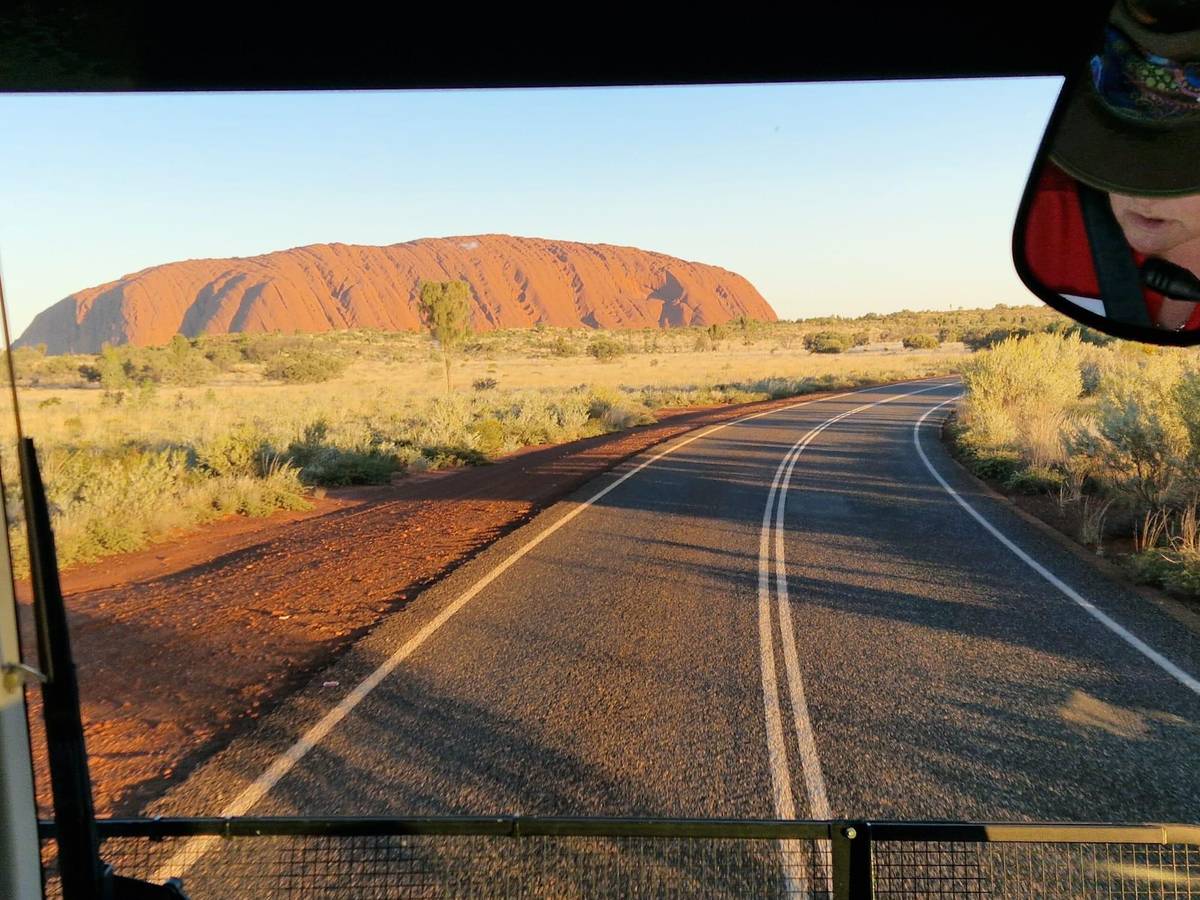 With dinner
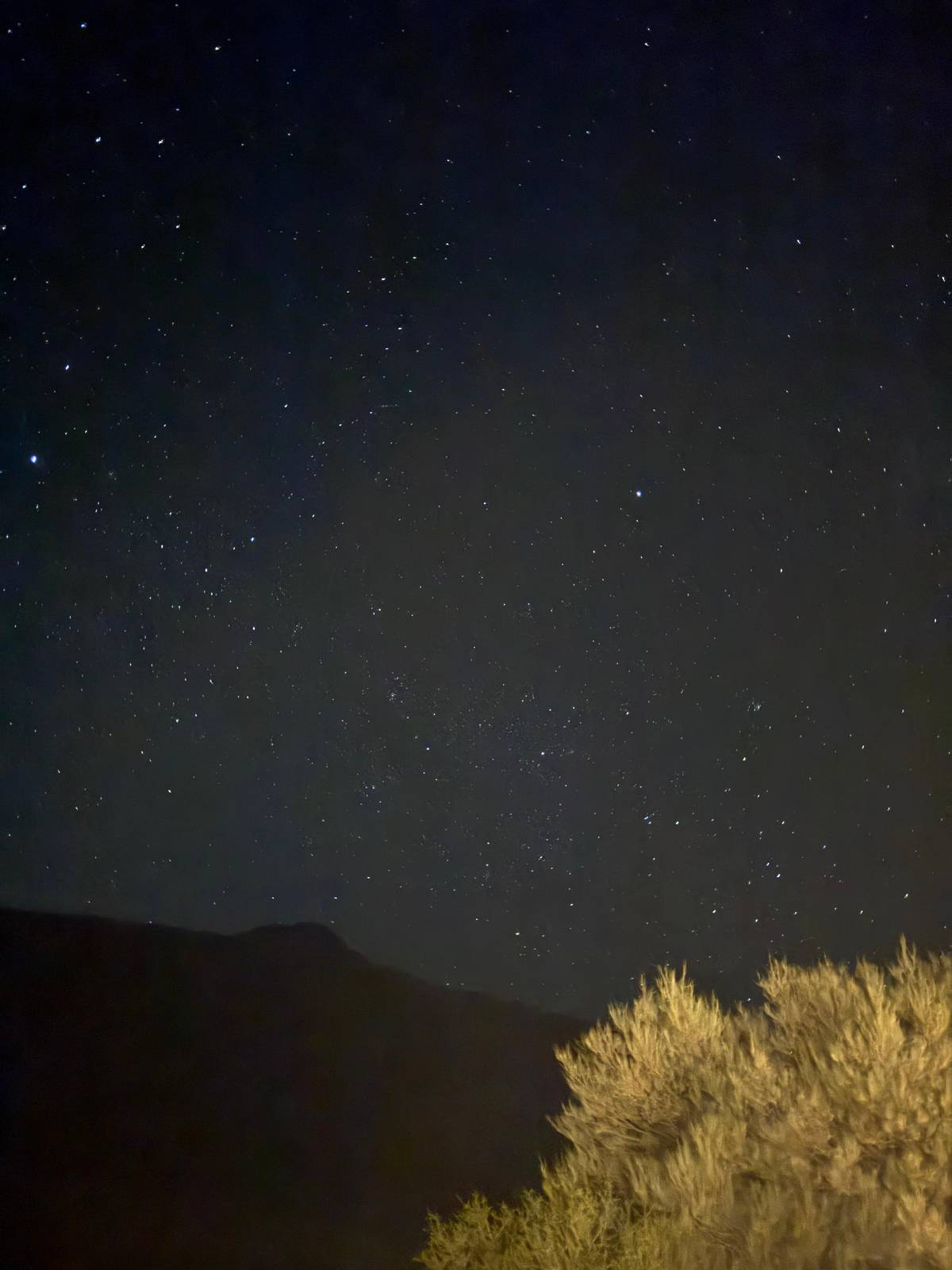 Full evening
Sunset, dinner, stars
Star stories after the meal
- Length
- 211 min
- Rating
- 4.47
- Price
- from $230
Decision helper
Which night out is for you?
Choose by what you want from the sky
The telescope tour
Telescopes show planets and deep-sky objects.
Dinner and star talk
A barbecue, then a spotlight talk.
The dune lookout
Beside the Lasseter Highway, outside the park.2
The telescope tour
No park pass needed on it.
The telescope tour
Guides speak English and Chinese.
Night access to the park
Parks Australia lists an astronomy operator, Uluru Astro Tours, among its unique tours, and notes that it has special access to the national park at night.6 That is the exception to the closing-time rule, so ask any astronomy tour you consider where exactly its viewing site is.
For everyone else the rule is firm. Because all visitors must exit the national park by closing time, any night-sky shots have to be taken from outside the park.2 Do not try to linger at the sunset car park after closing.1 The park is jointly managed by Anangu and Parks Australia, and it is sacred to Anangu.78
If you want the rock in your night photo, look at it from the outside. Parks Australia names a good spot for astrophotography: an elevated lookout on top of a sand dune beside the Lasseter Highway, about halfway between the park entry station and Ayers Rock Resort.2 Other lookouts around the resort area are good alternatives.2
Checklist
For a night under the desert sky
01
Bring
- Warm jacket, beanie and gloves
- A red or dim torch
- Tripod and a camera with long exposures
02
Check
- The moon phase for your night
- This month's park closing time
- No drones, wide shots of the rock only
Cost calculator
A night out for your group
Starting totals for the night-sky evenings.
People
Total from$181
each from $91
Check availabilityfree cancellationTotals multiply each evening's lowest per-person price on GetYourGuide by the number in your party, converted with the European Central Bank's daily rate; the date and option you pick decide what you finally pay.
Video
The Eternal beauty of Uluru & its night sky in 8K
No video data loads before you press play.
Star talks with dinner
Several dinner evenings include an astronomy segment, which lets you combine the sunset, a meal and the sky in one outing. On the sunset and gourmet barbecue evening, the guide points out constellations with a high-beam spotlight after dinner and tells Aboriginal stories that relate to the stars. It lasts 211 minutes and starts from $230.
The dinner-only barbecue inside the park ends with a stargazing talk using a high-powered spotlight, weather permitting. It lasts 3 hours and starts from $154. In Yulara, outside the park, the outdoor dinner on a platform overlooking Uluru includes an astronomy lesson from a star talker as the sky fills with stars.9
The difference from the telescope tour is depth. A spotlight talk shows you constellations and stories with the naked eye; a telescope shows you planets and deep-sky objects up close. If the sky is your main interest, book the telescope; if it is a pleasant ending to dinner, a star talk is enough. Nothing stops you from doing both on different nights, and the second evening will make more sense after the first, because you will already recognise some of the constellations.
Photographing the stars yourself
You need a tripod, a camera that can expose for many seconds, and patience. Set the focus to infinity before it gets fully dark, switch off the flash and the screen's brightness, and give your eyes time to adapt. The telescope tour welcomes guests who bring their own camera and tripod for astro-photography.
Respect still applies at night. From Ayers Rock Resort you mostly see Uluru's north-east face, which counts among the park's most culturally sensitive ground; Anangu want it shown only in distant, wide frames.1011 A silhouette against the Milky Way is exactly that kind of wide shot, so frame the whole rock low on the horizon.
Leave the drone in its case. Drones and other remote-controlled devices are prohibited in the park under the EPBC Act, and penalties apply for unauthorised use.12 If you plan to publish or sell your night images, Parks Australia requires a media permit for commercial use or public display.13
When to look up, and what to wear
The darkest skies come with the longest nights. At Yulara, mid-month daylight runs from 13.7 hours in December down to 10.6 hours in June, so a winter night gives you far more hours of darkness.14 The month-by-month chart on this page shows daylight against rain for the whole year.
A bright moon washes out faint stars, so check the moon phase before you book. From the car sunset viewing area, around the full moon, you are likely to see the moon rising next to Uluru at about sunset, which is beautiful in its own way but not a night for deep-sky viewing.15
Dress for cold. Parks Australia warns that winter nights in the park can drop to −7°C, and it tells you to pack warm layers for the cold, with a beanie and gloves in winter.316 Standing still under the sky is colder than walking; a thermos of something hot makes the second hour much more pleasant. Bring a folding chair or a blanket, too: looking straight up for long stretches is easier lying back than standing.
Pick your evening
A waterhole by day, the rock red at dusk
Hotel pick-up, the Kuniya Walk, the Cultural Centre and sunset drinks; cancel free until a day before.


You ask,we answer.
Can I stargaze inside the park at night?
Only with special access. The park closes at night; one astronomy operator has special access.16
Do I need a park pass for the telescope tour?
No. Guests do not need their own pass on that tour.
How long is the astronomy tour?
2.5 hours. With hotel pick-up and drop-off.
Where can I photograph the Milky Way with Uluru?
From a dune lookout outside the park. Beside the Lasseter Highway, halfway between the entry station and the resort.2
Is there a star talk with dinner?
Yes, on the barbecue evenings. The guide points out constellations with a spotlight.
Sources
The sources for this guide
- 1Parks Australia, Uluṟu-Kata Tjuṯa National ParkOpening hours↩
- 2Parks Australia, Uluṟu-Kata Tjuṯa National ParkPhotography↩
- 3Parks Australia, Uluṟu-Kata Tjuṯa National ParkAmazing facts↩
- 4Parks Australia, Uluṟu-Kata Tjuṯa National ParkPhotography↩
- 5Parks Australia, Uluṟu-Kata Tjuṯa National ParkOpening hours↩
- 6Parks Australia, Uluṟu-Kata Tjuṯa National ParkUluṟu Astro Tours↩
- 7Parks Australia, Uluṟu-Kata Tjuṯa National ParkAmazing facts↩
- 8Parks Australia, Uluṟu-Kata Tjuṯa National ParkUluṟu climb closure↩
- 9Parks Australia, Uluṟu-Kata Tjuṯa National ParkEat↩
- 10Parks Australia, Uluṟu-Kata Tjuṯa National ParkPhotography↩
- 11Parks Australia, Uluṟu-Kata Tjuṯa National ParkPhotography↩
- 12Parks Australia, Uluṟu-Kata Tjuṯa National ParkPhotography↩
- 13Parks Australia, Uluṟu-Kata Tjuṯa National ParkPhotography↩
- 14↩
- 15Parks Australia, Uluṟu-Kata Tjuṯa National ParkUluṟu car sunset viewing area↩
- 16Parks Australia, Uluṟu-Kata Tjuṯa National ParkWhat to pack↩
Keep reading